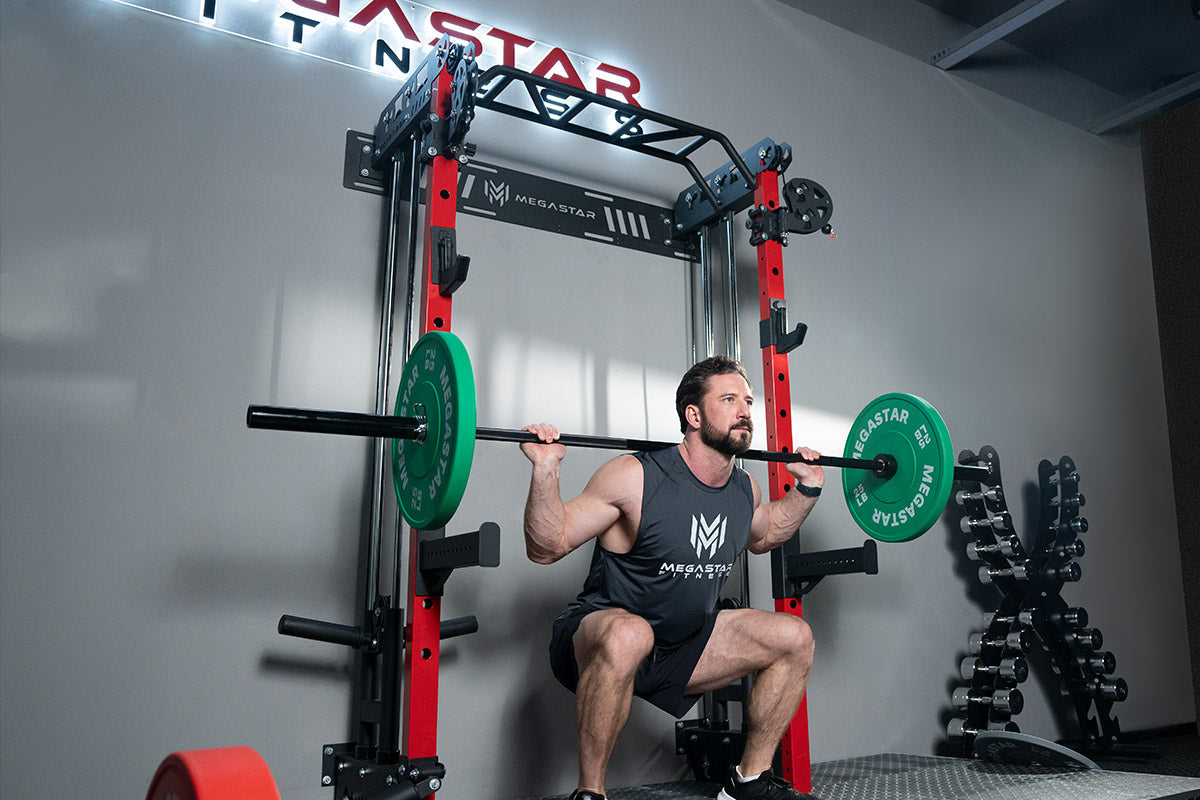
The advantages of a squat rack include its ability to safely support heavy lifts, its versatility for a range of exercises, and its space-efficient design. On the flip side, squat racks do require some space, can be intimidating for beginners, and have limited cardio benefits. In this article, we’ll explore both the benefits and downsides of a squat rack, helping you decide whether it's the right addition to your home gym setup.
The Benefits of Owning a Squat Rack
-
Safety First—Lift Heavy Without Fear
One of the biggest advantages of a squat rack is the built-in safety features. With adjustable safety arms or catch bars, you can push yourself to new limits without worrying about the barbell crashing down on you. It's the perfect setup for those solo workouts or when you’re lifting heavy on your own. -
All-in-One Versatility
Squat racks aren’t just for squats. They’re your ticket to a complete workout. Whether you’re doing overhead presses, bench presses, deadlifts, or chin-ups with the right attachments, a squat rack does it all. It's a space-saving powerhouse that delivers big results. -
Build Strength and Muscle Like a Pro
If you’re serious about getting stronger, a squat rack helps you do just that. With the ability to progressively overload your lifts, you can continually challenge your muscles, which is key for strength gains. The more weight you lift safely, the bigger and stronger you'll get. -
Customizable for Any Fitness Level
Everyone has different needs. The beauty of squat racks is that they’re customizable. Adjustable J-hooks, safety arms, and height settings let you tweak the rack to fit your body and workout style, making it perfect whether you’re just starting out or pushing your max. -
Built to Last—Durability You Can Trust
A solid squat rack is built to take a beating. Made from strong steel, these racks can handle heavy weights and constant use, making them a long-term investment for your fitness journey. You won’t need to replace it anytime soon. -
Perfect for Small Spaces
Unlike bulky power racks, squat racks typically have a smaller footprint, which is a huge win for home gym setups with limited space. You can fit a squat rack into almost any room without compromising on your ability to get a killer workout. -
More Affordable Than Power Racks
Power racks are awesome, but they’re also more expensive and take up more space. Squat racks, on the other hand, offer nearly the same functionality at a fraction of the cost. For anyone serious about building strength but working with a budget, it’s the smarter investment. -
No Spotter? No Problem.
One of the best reasons to own a squat rack is that you can train solo with confidence. The safety bars catch the barbell if you fail a lift, so you don’t need a spotter. If you're into solo training or just prefer working out at your own pace, a squat rack is a game-changer.

What Are the Downsides of a Squat Rack?
-
Space—Can You Fit It In?
While squat racks are smaller than power racks, they still take up space. If you’re tight on room, this can be a challenge. For smaller spaces, look for compact or wall-mounted racks that give you all the benefits without the bulk. -
Not the Easiest for Beginners
If you're new to lifting, a squat rack might seem intimidating at first. There’s no automatic spotter like you’d find in a gym, and figuring out proper form is key to avoiding injury. However, don’t let that scare you. Once you get the hang of it, the squat rack will feel like second nature. -
It Won’t Help Your Cardio
Squat racks are great for building muscle and strength, but if you’re looking for a way to get your heart pumping, you might want to pair your workouts with something else. Squat racks don’t offer the cardio benefits of a treadmill or bike, but when it comes to building muscle, there’s no substitute. -
Risk of Injury If You’re Not Careful
Like all strength training equipment, using a squat rack without proper form can lead to injury. This is particularly true if you’re lifting heavy without adjusting the safety features. The right technique and setup are key to getting the most out of your squat rack while staying injury-free. -
Spotter Arms Aren’t Always Reliable
Some squat racks come with spotter arms, but these aren’t always the best for heavy lifts. If not adjusted properly or if the rack isn’t sturdy enough, spotter arms can cause instability or tipping. Make sure to choose a rack with solid spotter arms if you plan to do heavy lifts without a spotter.
Common Problems and How to Solve Them
-
Wobbly Racks Under Heavy Lifts
The last thing you want when lifting heavy is a wobbly rack. This is usually caused by a narrow base or weak build. When shopping for a squat rack, make sure you’re investing in one that’s sturdy and built with a wide base for maximum stability. -
Barbell Slippage—How to Prevent It
If the barbell slides off the rack, it can lead to a dangerous situation. Look for racks that have secure J-hooks with padding or rubber to prevent the barbell from slipping. Always double-check that the bar is properly set before lifting. -
Rust and Wear Over Time
If you leave your squat rack exposed to moisture, rust can become a problem. To avoid this, go for squat racks with a powder-coated finish or those made from stainless steel. Regular maintenance—like cleaning and lubricating joints—will keep your rack in top shape for years.

Is a Squat Rack Right for You?
-
Are You Serious About Strength Training?
If you’re committed to building muscle and improving strength, a squat rack is a must. It’s the safest way to perform heavy lifts like squats, deadlifts, and overhead presses. For anyone who’s serious about lifting, this piece of equipment should be at the core of your workout setup. -
Tight on Space? No Worries
If you have limited space, there are plenty of compact squat racks or even wall-mounted options that’ll fit into your gym without taking up a lot of room. These are ideal for smaller spaces but still provide the same benefits as a larger rack. -
Should You Make the Investment?
If you’re focused on getting stronger and want a versatile piece of equipment that grows with your lifting journey, a squat rack is worth the investment. For beginners, a simpler setup might work, but if you’re planning to lift heavy and progress, a squat rack is your ticket to success.
Final Thoughts
A squat rack is an absolute game-changer for anyone serious about strength training. Whether you’re pushing your max weight or just getting started, the squat rack’s safety, versatility, and durability make it an indispensable tool for building muscle and strength. Consider your space, budget, and fitness goals before making the leap—but once you do, you’ll wonder how you ever trained without it.
For those interested in a more structured and guided lifting experience, the Smith Machine is a great alternative. Offering a controlled range of motion and built-in safety features, it’s perfect for both beginners and advanced lifters.