Building a strong, lean, and balanced body doesn’t require a gym membership. With the right structure, mindset, and a few essential tools, you can train effectively right from your home gym. Full-body strength training is one of the most efficient and rewarding ways to build muscle, boost metabolism, and stay consistent—no matter how busy life gets.
Full-body workouts target multiple muscle groups in each session, allowing you to burn more calories and improve overall strength faster than isolated split routines. They’re perfect for home gym athletes, parents, or anyone who wants results without spending hours commuting to the gym.
A typical full-body routine combines compound movements—like squats, presses, rows, and lunges—with accessory exercises for balance and mobility. When done correctly, these workouts deliver maximum results in minimal time.
Why Full-Body Training Works
The main reason full-body workouts are so effective is simple: they activate more muscles, more often. Compound exercises such as squats, deadlifts, and push-ups recruit your legs, core, and upper body simultaneously, triggering greater hormonal and metabolic responses. This means you’ll not only gain strength but also improve endurance and body composition.
Beyond aesthetics, full-body training enhances real-world functionality. You’ll move better, feel stronger, and carry that confidence into everything you do—from lifting groceries to playing sports or keeping up with your kids.
What You Need to Get Started
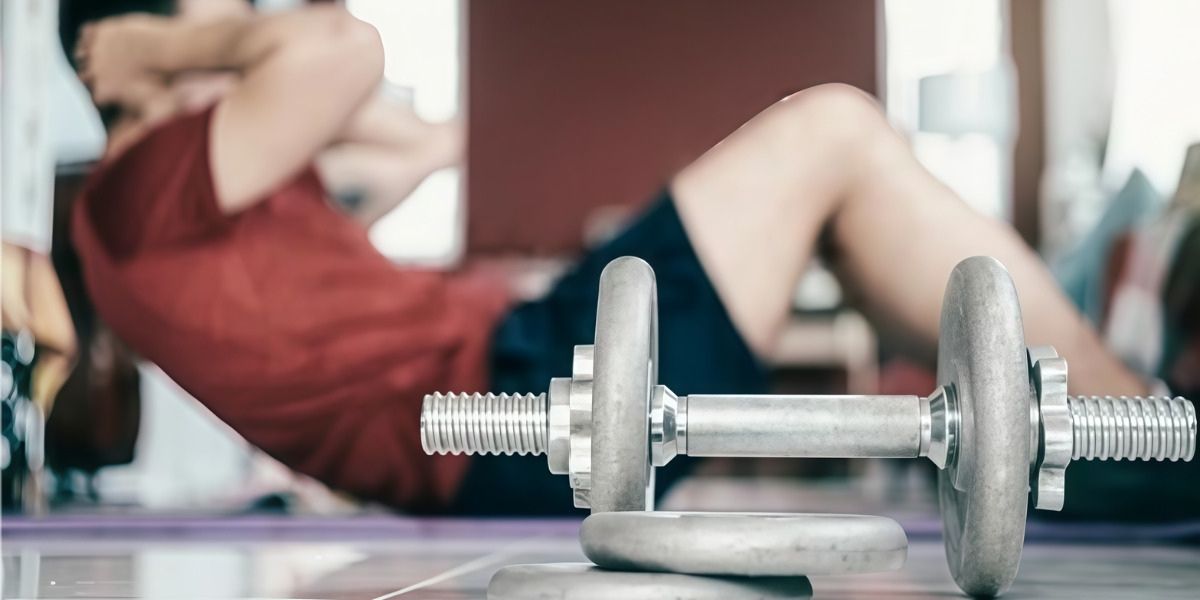
You don’t need fancy machines to start strength training at home. A few pieces of versatile equipment can unlock countless training options. The essentials include a pair of adjustable dumbbells, an adjustable bench, a power rack or pull-up bar, and a resistance band set for warm-ups and mobility. If space is limited, even bodyweight-only exercises like push-ups, squats, and planks can provide powerful results when programmed properly.
Creating your own home gym space is more than convenience—it’s freedom. No waiting for machines, no time wasted. Just focus, effort, and consistency.

The Best Full-Body Strength Workout Routine
This sample three-day plan covers every major muscle group and balances strength, mobility, and endurance. Perform each workout with good form, rest for 60–90 seconds between sets, and track your progress weekly.
Day 1 – Strength Foundation
- Squat or Goblet Squat – 4 sets of 8 reps
- Incline Dumbbell Press – 4 sets of 10 reps
- Bent-Over Row – 4 sets of 10 reps
- Standing Overhead Press – 3 sets of 12 reps
- Plank – 3 rounds of 45 seconds
Day 2 – Conditioning & Core
- Kettlebell Swings – 4 sets of 20 reps
- Walking Lunges – 3 sets of 12 reps per leg
- Push-Ups – 4 sets to failure
- Jump Rope or Rowing – 20 minutes steady pace
- Core Circuit: Mountain Climbers, Sit-Ups, Side Plank – 3 rounds
Day 3 – Strength & Power
- Deadlift – 4 sets of 6 reps
- Pull-Ups or Lat Pulldowns – 4 sets of 8 reps
- Bulgarian Split Squat – 3 sets of 10 reps per leg
- Dumbbell Curls + Triceps Dips Superset – 3 sets of 15 reps
- Hangig Leg Raises – 3 sets of 15 reps
Train three to four days per week, alternating between heavy strength days and lighter conditioning or mobility sessions.
Progressive Overload and Consistency
Strength training is built on progression. If you repeat the same weights and reps forever, your body will stop adapting. The secret is progressive overload—gradually increasing the stress placed on your muscles. You can do this by adding small amounts of weight, performing more reps, or reducing rest times between sets. Track your lifts weekly and aim for small, steady improvements.
Consistency is more important than perfection. Missing one workout doesn’t matter—giving up does. Think long-term: building lasting strength is a lifestyle, not a sprint.
Nutrition and Recovery
No training plan works without proper nutrition and recovery. To build lean muscle and stay energized, aim for one gram of protein per pound of body weight daily, plenty of complex carbohydrates for fuel, and healthy fats for hormone balance. Hydration matters just as much—drink at least three liters of water each day.
Rest is where real growth happens. Muscles repair and strengthen during recovery, not while lifting. Prioritize sleep, stretch regularly, and schedule one or two rest days each week. Foam rolling, mobility work, and deep breathing can help reduce soreness and improve performance over time.

The Strength Mindset
Strength training is about more than muscle—it’s about mastery. Every rep teaches discipline, every set builds resilience. Your home gym isn’t just a space filled with weights; it’s a space where you prove to yourself what’s possible.
Quote from Megastar Athlete Emily:
“I used to see rest days as lazy days. Now, I see them as growth days—where strength actually builds.”
At Megastar Fitness, we believe that strength is a mindset built one session at a time. Stay consistent, challenge yourself, and remember: progress beats perfection.
Pro Pick for Safer Full-Body Training at Home
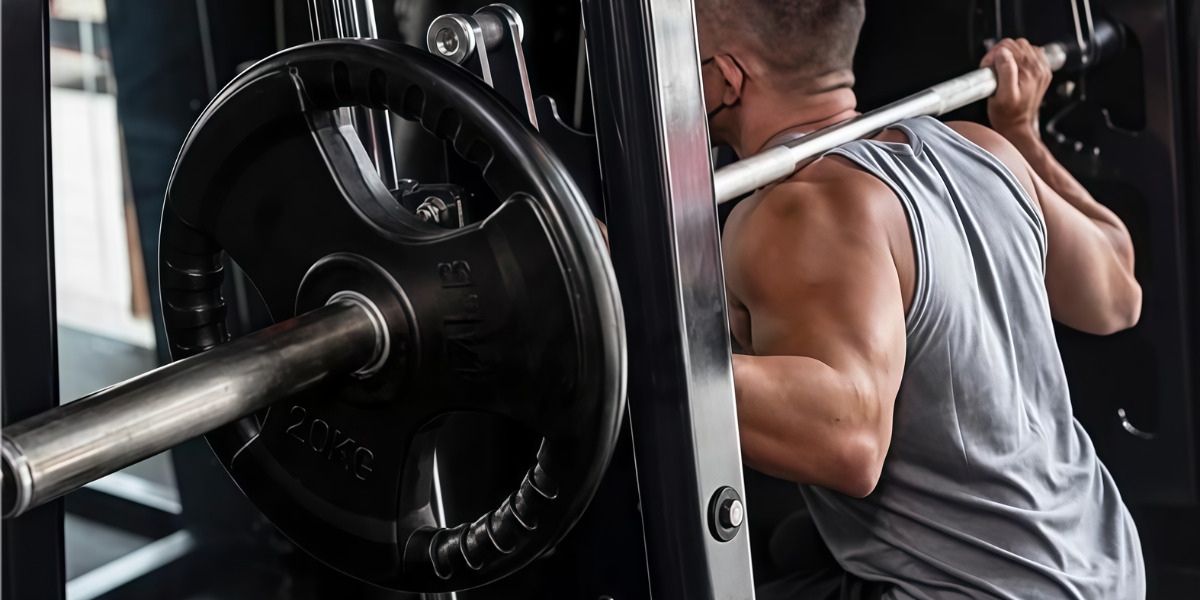
Level up your at-home routine with a Megastar Smith Machine setup. The fixed bar path and adjustable safety stops make solo squats, presses, and lunges more controlled, while a paired adjustable bench unlocks incline/flat presses and hip thrusts. Add a cable station or pulley attachment for rows, face pulls, and triceps work, and you’ve got a compact, all-in-one system that matches this article’s full-body framework—heavy compounds first, targeted accessories after. Explore the Megastar’s Smith Machine, Power Racks, Adjustable Benches, and Dumbbell Systems—engineered for real athletes who train for life, not just looks.
Frequently asked question
How should I warm up for a full-body day at home?
Do 5–7 minutes of light cardio, then 1–2 mobility drills for hips/shoulders, and 2–3 ramp-up sets of your first lift (increasing load, decreasing reps). Total: ~10 minutes.
What are signs I’m doing too much?
Persistent joint pain, stalled lifts for 2+ weeks, poor sleep, resting HR elevated ~5–10 bpm, and workouts feeling unusually heavy. Pull back volume 20–30% for 7 days.
Can full-body training support fat loss?
Yes, keep intensity, slightly trim volume, and create a small calorie deficit. Prioritize protein and steps (7k–10k/day) to preserve muscle while leaning out.
Can I build muscle with bodyweight only?
Yes, use leverage progressions (feet-elevated push-ups, tempo squats, Bulgarian split squats, pike push-ups) and push sets near technical failure (1–3 reps in reserve).